Choosing between foreclosure cleanout vs dumpster rental depends on the home's condition, the deadline, access, and available labor. A full-service cleanout includes sorting, loading, hauling, and disposal. A dumpster gives you a container for self-loading. The better choice depends on who will do the work and how soon the property must be ready.
Foreclosed homes often need more than basic trash removal. They may hold furniture, appliances, loose items, yard waste, and leftover building materials. The right plan helps owners, banks, agents, and property managers prepare the home for repairs, listing, sale, or turnover.
At Bellingham WA Junk Removal, the team helps property owners review the work before it starts. A clear plan can make a whole house cleanout easier to manage, especially when rooms are full or the deadline is short.
Table of Contents
- What Is the Difference Between a Foreclosure Cleanout and Dumpster Rental?
- Which Option Is Faster for Preparing a Foreclosed Property?
- How Much Does a Foreclosure Cleanout Cost Compared With a Dumpster?
- What Types of Items Can Each Option Remove?
- When Is a Professional Foreclosure Cleanout the Better Choice?
- When Does Renting a Dumpster Make More Sense?
- How Should You Choose Between a Foreclosure Cleanout and Dumpster Rental?
- Key Takeaways
- Frequently Asked Questions
- Conclusion
What Is the Difference Between a Foreclosure Cleanout and Dumpster Rental?
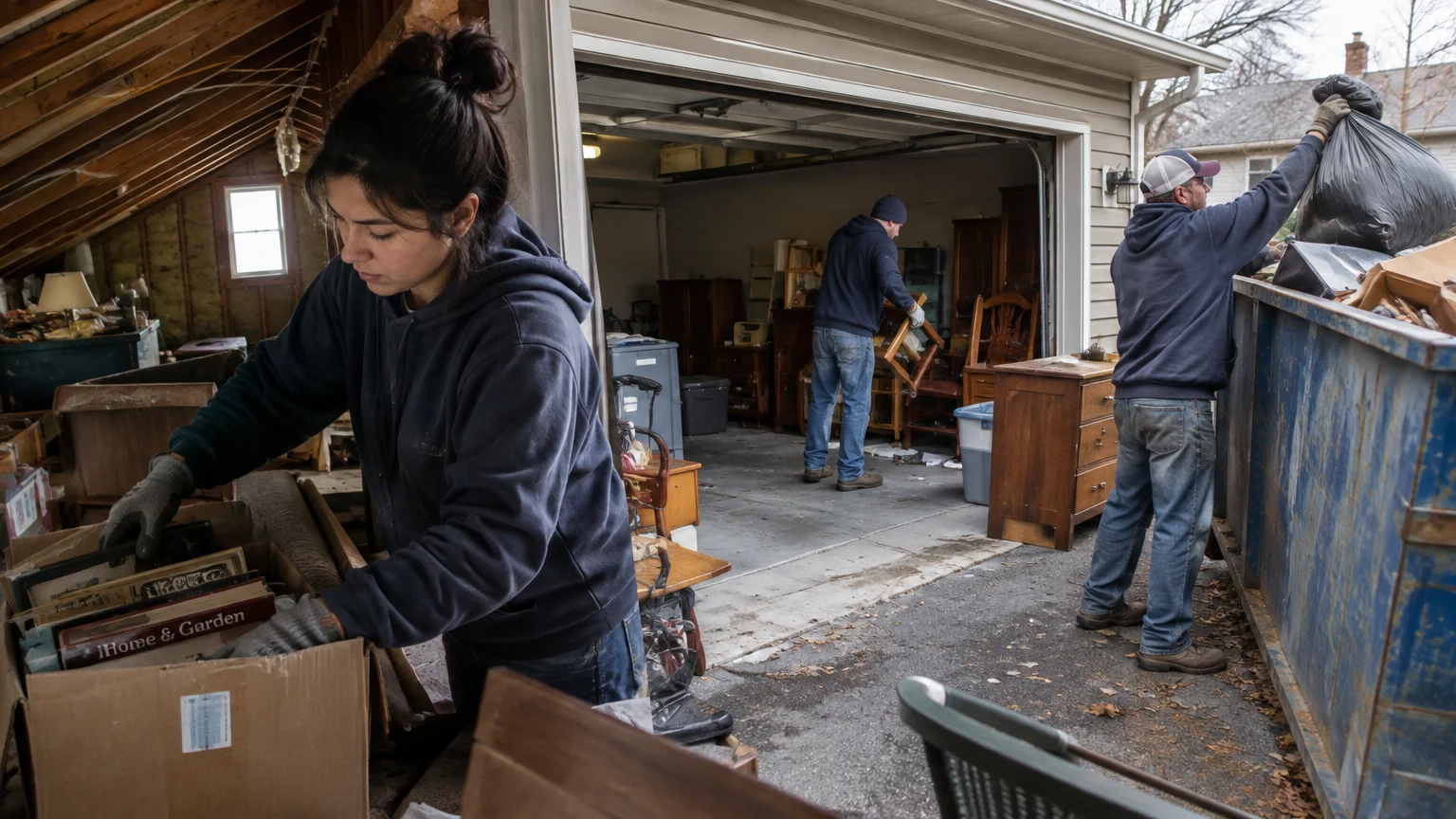
A foreclosure cleanout is a full service. A crew removes unwanted items, carries them out, loads the truck, hauls them away, and handles disposal. A dumpster rental only provides the container. The owner, workers, or contractors usually load it.
The best choice depends on what remains inside the home. A mostly empty property with loose flooring or small repair debris may suit a dumpster. A furnished home with packed rooms, heavy items, and outdoor debris may need a full-service crew.
How a full-service cleanout works
A full-service cleanout starts with a review of the rooms, garage, attic, basement, and yard. The crew can note what must go and look for access problems. These may include narrow stairs, blocked doors, long paths, or weak flooring.
The crew handles the physical work from start to finish. This may include moving furniture, lifting appliances, gathering small debris, and sweeping cleared areas. A property-ready result leaves the home in better shape for repairs, photos, an inspection, or a sale.
Bellingham WA Junk Removal can help Bellingham owners decide if an eviction and foreclosure cleanout suits the property. This can help when the owner lives far away or cannot visit often.
How a dumpster rental works
A dumpster rental places a container at or near the property for a set time. The customer loads the debris and follows rules about weight, fill level, and banned materials. The container is picked up later for processing or disposal.
This option can work well when a contractor, maintenance crew, or property manager is already on site. It is less useful when no one can carry heavy items or sort mixed contents.
The dumpster also needs a safe placement area. The delivery truck needs enough room to place and remove it. Driveways, gates, overhead branches, private roads, and local rules can affect the location.
Which Option Is Faster for Preparing a Foreclosed Property?
A full-service cleanout is often faster when the property has many contents and the owner needs labor. A dumpster can be faster for a small project when workers are ready to load it. The actual time depends on the home's size, amount of debris, access, and schedule.
Speed is not only about how fast a container arrives. It also includes sorting, carrying, loading, hauling, sweeping, and handling items that cannot go into the container. A project that looks small from outside may take much longer after every room is checked.
Typical timelines for removal and hauling
A simple property with a few piles may be cleared during one planned visit. A larger home may take longer when furniture, appliances, boxes, and yard debris are mixed together. A dumpster project may also take longer if work must fit around a job, weather, or limited labor.
Owners should plan for access details as well. Someone may need to unlock the home, move a vehicle, open a gate, or protect shared spaces. Planning these tasks early can keep a crew or container from waiting at the property.
How access, volume, and scheduling affect turnaround
Access can matter as much as volume. A home with an open driveway and clear rooms is easier to clear than one with blocked halls or broken steps. Heavy items on an upper floor can add work even when the debris pile seems small.
The deadline matters too. A listing, repair crew, inspection, or new tenant may depend on the cleanout. In those cases, a service that includes labor can reduce the number of jobs the owner must arrange.
For property managers in the Bellingham area, a written scope can help everyone understand the work. This may include Fairhaven, Sunnyland, Ferndale, Lynden, Blaine, Everson, and nearby communities. The scope can list rooms, sheds, appliances, and outdoor areas.
How Much Does a Foreclosure Cleanout Cost Compared With a Dumpster?
Costs vary because every property has a different amount of material, labor need, access issue, and disposal need. A full-service cleanout reflects loading, hauling, sorting, and disposal work. A dumpster rental usually covers the container, delivery, pickup, rental time, and disposal terms.
Neither option should be judged by the service or container fee alone. The owner should consider who will move the items, how long the work may take, and what happens to materials that cannot go inside the dumpster.
What is usually included in a cleanout estimate
A cleanout estimate may consider the number of rooms, furniture, appliance weight, stairs, distance to the truck, and outdoor debris. It may also consider mattresses, electronics, construction debris, and items that need special handling.
Ask whether loading, hauling, basic sweeping, and disposal are included in the planned work. The scope should also say what is not included. This matters when the property has paint, chemicals, tires, gas cylinders, medical waste, or damaged appliances.
Actual pricing depends on the job and is confirmed when the owner gets in touch. Bellingham WA Junk Removal can review the work needed without treating every property as the same.
Dumpster rental fees and possible extra charges
A dumpster plan may include delivery, pickup, a rental period, and a disposal limit. Extra charges may come from added days, excess weight, overfilled material, banned items, or a hard delivery location. Terms differ by provider, so read them before booking.
The value of labor should also be counted. If workers are paid to load the container, that labor becomes part of the project. Time spent sorting, lifting, sweeping, and making repeat trips can change the final cost.
What Types of Items Can Each Option Remove?
Both options may handle common household contents and ordinary debris, but accepted materials differ. Furniture, boxes, loose trash, and some yard waste are often part of a standard cleanout. Appliances, electronics, liquids, and hazardous materials may have separate rules.
A full-service crew can often identify problem items before loading. That does not mean every item can be removed. Some materials need a special provider, recycling site, or local disposal program.
Household contents, furniture, and outdoor debris
Common foreclosure contents may include sofas, beds, tables, chairs, cabinets, clothing, toys, boxes, and broken household goods. Outdoor areas may contain branches, old tools, patio furniture, fencing, and loose debris. A garage cleanout may also include tires, shelves, lawn equipment, and bulky appliances.
Mattresses and freezers often have special handling rules. Anyone asking where to take old mattresses or who takes old freezers should check local requirements first. A removal team may explain whether an item is accepted and how to prepare it.
Refrigerators and freezers may contain refrigerant, which is a chemical used for cooling. Check local rules before processing these appliances. Never cut lines or release the refrigerant.
Restricted, hazardous, and specialty materials
Paint, fuel, pesticides, asbestos materials, medical waste, propane tanks, and some chemicals may not belong in a standard dumpster or cleanout load. Electronics, fluorescent bulbs, batteries, and some appliances may also have separate recycling rules. Identify these items before work begins.
Tree branches can have local limits as well. Anyone asking where to drop off tree branches near me should check current city, county, or waste-site rules. Size limits, bundle rules, and drop-off times can differ.
When a property has unsafe materials, tell the service provider early. Good planning protects workers, neighbors, the property, and the environment.
When Is a Professional Foreclosure Cleanout the Better Choice?
A professional cleanout is often better when the property needs labor, sorting, hauling, and a quick reset. It can help when rooms are full, access is hard, or the owner lives far away. It may also suit a property that must be ready for repairs, inspection, or listing soon.
The service can reduce the number of vendors involved. Instead of finding workers, a truck, a container, and disposal sites, the owner can review one clear work plan. This may help banks, real estate agents, landlords, and families handling estate cleanouts.
Properties with heavy accumulation or difficult conditions
Heavy accumulation means more than one large pile. It can include narrow paths, stacked boxes, broken furniture, spoiled contents, or debris spread across many rooms. Some homes may also have damaged floors, poor lighting, pests, odors, or unsafe entry points.
A crew can review these conditions before work starts. Owners should share known hazards and avoid unsafe areas. A hoarding situation may need extra care, but junk removal workers are not a replacement for medical or mental health support.
A full-service crew may also help with attic, basement, garage, and outdoor spaces. These areas often hold the items that make a foreclosure cleanout take longer than expected.
Situations requiring sorting, labor, and property-ready results
Sorting matters when items may need to be kept, donated, recycled, or discarded. Property owners should remove personal records, valuables, legal papers, and family keepsakes before the crew arrives. Mark anything that must stay.
Property-ready work may include removing contents, clearing walkways, gathering loose debris, and sweeping floors. It does not replace repairs, deep cleaning, pest treatment, or remodeling unless those services are arranged separately.
For a home Bellingham WA Junk Removal can help the owner understand which parts of a house cleanout match the property's condition. A clear scope makes the next step easier to plan.
When Does Renting a Dumpster Make More Sense?
A dumpster may make more sense when the debris is simple, timing is flexible, and reliable labor is available. It can suit a renovation, flooring removal, yard project, or mostly empty property. The site must also have a safe place for delivery and pickup.
This option gives the customer control over loading. That may help a contractor or property manager with workers already on site. It can also work when the project will take several days.
Projects with available labor and flexible timing
A dumpster works best when someone can load it safely and steadily. Workers need proper tools and enough time to move bulky items. They should know which materials are restricted and keep the load below the fill line.
Flexible timing can make container rental easier. The customer can load it as rooms are cleared instead of arranging one complete removal visit. Still, the rental period and pickup date should match the work plan.
Owners should not assume friends or temporary workers can safely handle heavy appliances, large furniture, or unstable piles. Lifting injuries and property damage can add serious problems.
Properties with straightforward debris and easy access
A mostly empty home with loose drywall, flooring, or small debris may suit a dumpster project. Easy driveway access helps the delivery truck place the container without blocking gates or damaging surfaces.
The customer should check whether a permit or surface protection is needed. Some neighborhoods, private roads, and shared drives have placement rules. The container must also leave safe paths for people and vehicles.
If the project grows from simple debris into a full property cleanout, the owner may need to change plans. A dumpster does not sort items, carry contents from rooms, or decide what should be donated.
How Should You Choose Between a Foreclosure Cleanout and Dumpster Rental?
The best choice comes from comparing contents, deadline, access, labor, and disposal needs. A full-service cleanout fits hands-off removal and quick turnover. A dumpster fits self-loading projects with simple debris and dependable workers.
A short site review can show which path makes sense. Check every room, closet, garage, attic, basement, shed, and yard. This prevents a small-looking project from causing delays.
Questions to ask before making a decision
Before choosing, property owners and managers should ask:
- Who will lift, carry, sort, and load the material?
- Does the property need to be ready by a firm date?
- Are there stairs, narrow halls, damaged floors, or blocked doors?
- Do the materials include appliances, mattresses, electronics, liquids, or chemicals?
- Is there a legal and safe place for a dumpster?
- Which items must be saved, donated, recycled, or handled separately?
These questions help separate a labor problem from a container problem. They also help the owner explain the work clearly when requesting service details.
A practical comparison checklist for property owners and managers
A full-service cleanout is usually the stronger fit when the home is furnished, access is difficult, or the owner needs one team to handle the work. It is also useful when a property manager cannot stay on site during removal.
A dumpster may suit a project when debris is already gathered, workers are ready, and access is easy. Confirm the rental period, fill rules, accepted materials, and pickup process.
For foreclosure properties across the Bellingham area, the final choice should support the next business step. That may be repairs, cleaning, inspection, listing, sale, or tenant turnover. A clear plan is more useful than choosing by container size alone.
Key Takeaways
- A full-service cleanout includes labor, loading, hauling, and disposal.
- A dumpster rental works best when workers can load simple debris.
- Access, volume, deadlines, and restricted materials affect the choice.
- Owners should inspect rooms and outdoor areas before planning removal.
- The right option is the one that fits the property's real needs.
Frequently Asked Questions
Is a foreclosure cleanout different from regular junk removal?
Yes. A foreclosure cleanout often covers an entire property. It may include furniture, appliances, boxes, yard debris, and loose trash. It may also need sorting, fast service, and a final sweep. Regular junk removal may involve one item or a smaller group instead of a full property reset.
Can a dumpster remove everything from a foreclosed home?
No. A dumpster cannot accept every material, and it does not provide room-by-room labor. Paint, fuel, chemicals, refrigerant appliances, medical waste, and other restricted items may need separate handling. Review accepted materials before loading anything.
Who should choose a full-service foreclosure cleanout?
A full-service cleanout may suit owners who need labor, sorting, hauling, and faster property turnover. It can help banks, landlords, agents, and remote owners. It is also useful when a home has heavy contents, difficult access, or many types of debris.
Can a cleanout crew remove appliances and mattresses?
Many removal services handle common bulky items, but rules differ. Refrigerators and freezers may need refrigerant recovery before processing. Mattresses may have separate disposal rules. Identify these items early so the provider can explain the handling plan.
What should an owner do before the crew arrives?
Remove valuables, personal records, legal papers, and items that must stay. Unlock access doors, secure pets, and report known hazards. A simple room-by-room list can also help the crew understand what belongs in the cleanout.
Conclusion
The choice between a foreclosure cleanout and a dumpster rental depends on more than debris volume. A dumpster can suit simple projects with available labor and flexible timing. A professional cleanout may make more sense when the property needs sorting, heavy lifting, hauling, and a quick path toward sale or turnover.
Bellingham WA Junk Removal helps property owners review cleanout needs and nearby areas. Contact us to discuss the property's contents, access, deadline, and removal plan.