A professional roofing debris removal service handles shingles, nails, and roofing trash from start to finish so your site stays safe and on track. They plan debris drop zones, haul everything away, and dispose of materials the right way so your roofing crew and property owners can focus on the roof itself.
On many roofing projects in Bellingham, work goes well until the trash starts to pile up. Shingles stack by the driveway, nails end up in the grass, and everyone is worn out by the end of the day. Cleanup gets pushed to “later,” and later never seems to come. That is when a dedicated debris crew can change how the whole job feels.
Table of Contents
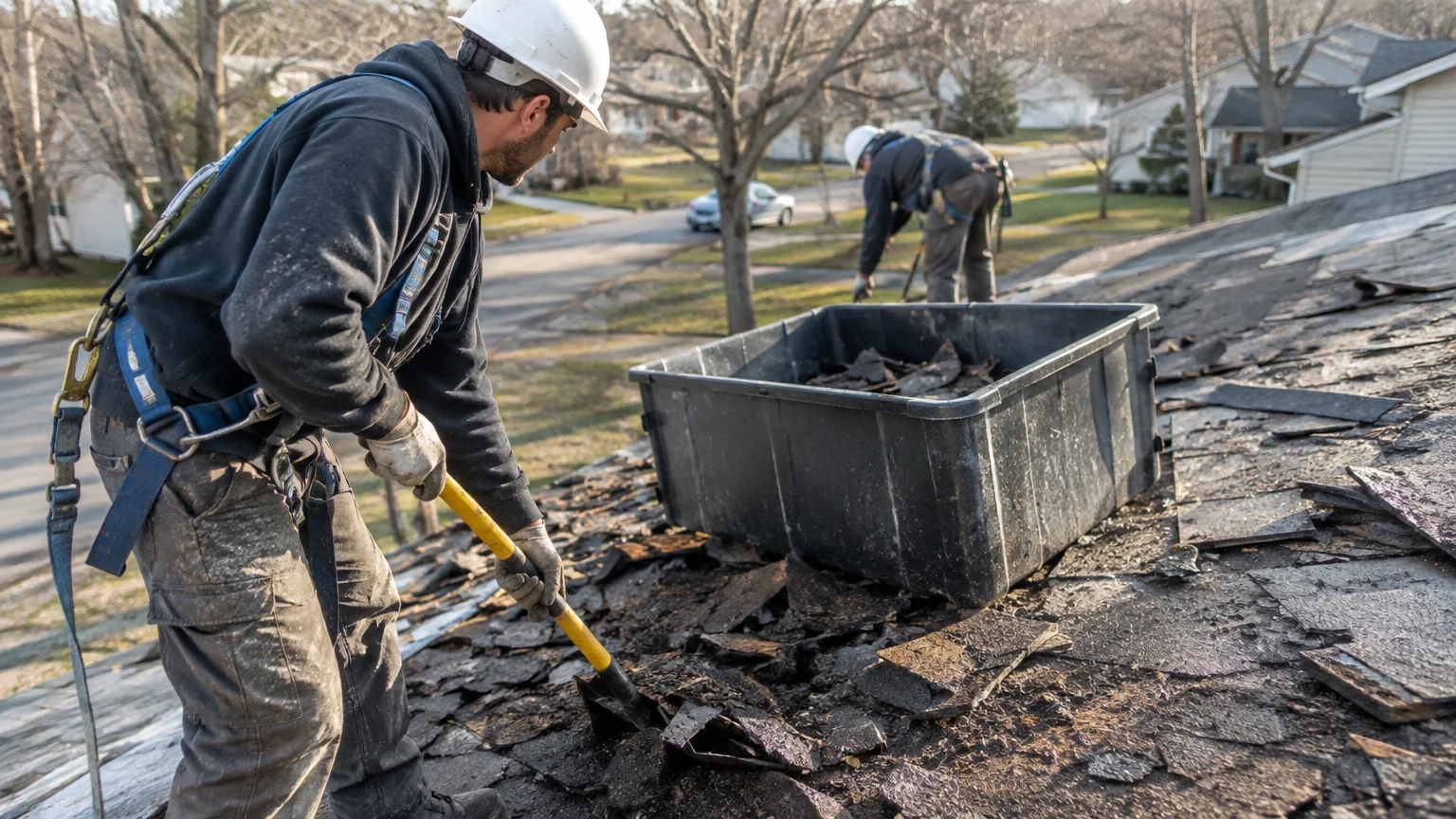
- What does a professional roofing debris removal service actually do?
- What are the risks of leaving roofing debris on your property?
- Sign 1–2: Is roofing debris piling up faster than you can manage?
- Sign 3–4: Is roofing debris creating safety hazards on your site?
- Sign 5–6: Is roofing debris causing project delays or neighbor complaints?
- Sign 7–8: Is roofing debris raising environmental or compliance concerns?
- How do you choose the right professional roofing debris removal service?
- Frequently Asked Questions
What does a professional roofing debris removal service actually do?
A professional crew takes care of roofing debris from the moment it leaves the roof until it is gone from your property. They plan where trash will land, set up the right gear, and keep the job site tidy while work goes on, not just with one big cleanup at the end.
Key tasks a roofing debris crew handles for you
A debris team sets up drop zones, tarps, or bins before tear-off starts. This helps keep shingles, nails, and felt from blowing or sliding all over your yard or parking lot. They load torn-off materials into trucks or dumpsters, then sweep, rake, and scan the ground with magnets to find stray nails.
They also sort debris when it makes sense. For example, they may separate metal drip edges, gutters, and flashing from asphalt shingles or underlayment. This makes it easier to send some items to metal recycling instead of a landfill. For busy roofing crews and property owners, this means less time trying to guess what goes where.
Many crews can also help with related junk from the same project. Old vents, rotten fascia boards, and scrap wood from repairs often pile up with roofing debris. A well-organized junk removal team can clear these items in the same visit. This is helpful on rentals, offices, and mixed-use buildings in the greater Bellingham area.
Common types of roofing materials they safely remove
Roofing debris is more than just torn shingles. A skilled team can safely remove:
- Asphalt shingles and shingle bundles from tear-off or extra stock
- Underlayment and felt that are worn out, torn, or no longer meet code
- Drip edge, metal flashing, and vents removed during repair or upgrade work
- Nails, staples, and fasteners scattered in grass, flower beds, and driveways
- Wood scraps, rotten decking, and trim that come down as part of the job
By handling all these items, a professional roofing debris removal service helps roofing contractors, property owners, and managers spend more time on the roof and less time chasing trash.
What are the risks of leaving roofing debris on your property?
Leftover roofing debris can seem like a small thing at first, but it can cause real problems over time. Piles of shingles, loose nails, and torn felt can hurt people, damage cars, and even lead to legal trouble if someone gets injured.
Injury, property damage, and liability concerns
Loose nails are one of the biggest risks after a roofing job. They can pop tires, injure pets, or hurt people walking across the yard. Even a few nails in a driveway can cause flat tires for residents, guests, or delivery drivers.
Sharp edges from torn shingles or metal flashing can cut skin and paws. Wet shingles on pavement can be slick, which adds a risk of slips and falls. If a visitor, tenant, or worker gets hurt, the property owner or contractor may have to deal with claims or disputes.
In some neighborhoods, leaving construction debris in open piles can break local code or HOA rules. There may be rules on how roofing debris must be contained and when it has to be hauled away, so it is wise to check with the right local office. A professional roofing debris removal service understands these rules and helps you avoid fines and complaints.
How leftover roofing materials can harm landscaping and structures
Roofing trash can also hurt the property itself. Heavy shingle piles can crush grass and plants, leaving bare spots that take time to grow back. Felt, plastic wrap, and underlayment can block water flow and create puddles in lawns or beds.
If debris washes into storm drains, it may clog grates and cause standing water on driveways or walkways. Nails and sharp scraps caught in mower blades can damage equipment and can fling metal pieces into the air.
Over time, piles stacked near siding, fences, or decks can trap moisture. This can lead to stains, rot, or pest activity. For busy owners in Bellingham and nearby communities like Fairhaven, Sunnyland, Ferndale, Lynden, Blaine, and Everson, hiring a crew to clear debris quickly is often the safest and simplest choice.
Sign 1–2: Is roofing debris piling up faster than you can manage?
When roofing debris grows faster than anyone can keep up, it is a clear sign extra help is needed. A cluttered job site slows everyone down and makes the whole project feel out of control.
Sign 1: You have overflowing piles of shingles, nails, and scraps
On many projects, old shingles and underlayment come off faster than anyone can haul them away. Soon there are piles near the garage, stacks along the driveway, and loose scraps scattered across the yard. Tarps that once held everything start to spill over.
When this happens, basic cleanup at the end of the day is not enough. Workers are tired, daylight is short, and debris gets pushed to “tomorrow.” After several days, the site looks worse, not better, and this can upset owners, tenants, and neighbors.
A professional roofing debris removal service brings enough people, trucks, and bins to stay ahead of the mess. They clear full piles while the roofing crew keeps working. For Bellingham WA Junk Removal and other local teams that handle junk removal, staying ahead of roofing debris is a normal part of the job.
Sign 2: Your crew is losing work time trying to keep the site clear
Roofers are hired to install and repair roofs, not spend hours hauling shingles. When workers use big parts of each day dragging bundles, loading trash, and hunting nails, the main job slows down.
This lost time can turn into extra days on site, more trouble for everyone, and a rushed final cleanup. In some cases, stretched crews may miss small hazards like nails in grass or scraps by doors and paths.
Bringing in a junk removal team lets roofers focus on skilled work while debris experts handle the rest. For busy contractors in Bellingham, this often means jobs finish sooner, punch lists are shorter, and final walkthroughs go more smoothly.
Sign 3–4: Is roofing debris creating safety hazards on your site?
Safety is one of the strongest reasons to call in a debris crew. Roofing waste on the ground can make it hard to walk, drive, or move ladders and tools safely.
Sign 3: Walkways, driveways, and entrances are blocked or slippery
When torn shingles land near common paths, people must step around them or walk through them. Wet or dusty shingles can be slick underfoot. In apartments, offices, or busy homes, this is a major concern.
Driveways and parking areas full of debris also cause headaches. Delivery drivers, tenants, and guests may have trouble parking or getting near doors. This leads to frustration and more time spent moving trash just to let someone in or out.
Professional crews plan clear paths around the building. They place collection points where trucks can reach them without blocking exits. They also keep main walkways swept and raked so people can enter and leave safely all through the project.
Sign 4: You keep finding nails, sharp edges, and hidden trip hazards
Nails and fasteners tend to roll and bounce as they fall. They can land in gravel, grass, flower beds, and cracks in concrete. Even after a quick sweep, they often show up later when a tire hits them or a child plays outside.
Scraps of shingle, metal, and wood can catch toes or tools. Small piles near ladders, hoses, or cords make trip hazards that are easy to miss when people are in a rush. At night, these risks get worse when light is low.
A roofing debris removal team usually brings magnetic sweepers, rakes, and brooms made for this work. They check busy areas many times during the job, not just once at the end. For property owners who care about safety, this regular attention offers real peace of mind.
Sign 5–6: Is roofing debris causing project delays or neighbor complaints?
When debris slows the work or upsets people nearby, it stops being a simple mess and becomes a real problem. This is often when owners and contractors start looking for a dedicated debris solution.
Sign 5: Your project timeline slips because cleanup is always behind
A clean site helps roofers move quickly. They can bring in materials, set ladders, and move tools without dodging piles. When debris blocks access, simple tasks take much longer. Crews must clear space before they can even start working.
If cleanup keeps getting pushed to the end of the day, it can feel rushed or may not happen at all. Then the next morning starts with a messy site again. This cycle causes delays, stress, and sometimes extra labor.
A professional roofing debris removal service works on a schedule that fits the project. They can clear key areas at set times during the day, or haul full loads as they fill. This steady flow keeps work moving and helps projects finish closer to the plan.
Sign 6: Neighbors or tenants are frustrated by mess, dust, and noise
Roof work is loud and dusty even when things go well. When debris sits in plain view, neighbors often feel the job is out of control. They may worry about nails in the street, dust on cars, or trash blowing into their yards.
Tenants in rentals or multi-unit buildings can also grow upset if paths are blocked or common spaces look messy for days. They may complain to managers or owners, which adds more pressure and stress.
A neat, organized site sends a better message. Junk removal crews can cover piles, sweep shared spaces, and remove debris quickly. This shows everyone that the work is being handled with care, which helps keep the peace in the neighborhood and around the property.
Sign 7–8: Is roofing debris raising environmental or compliance concerns?
Roofing work creates waste that must be handled the right way. When owners or contractors are unsure how to deal with materials, or worry about rules, it is a clear sign to involve a pro.
Sign 7: You are unsure how to dispose of underlayment, felt, and other materials
Not all roofing waste can go in regular trash. Old felt, synthetic underlayment, and some sealants may need special handling. Some local centers accept clean asphalt shingles, while others do not. Rules can change by city and landfill.
Many people are not sure where to take these loads or how to prepare them. Driving around the Washington area with a truck full of debris, only to be turned away, wastes time and fuel.
A roofing debris removal crew usually knows which sites accept which materials. They can separate items like metal for recycling and take the rest to approved places. This takes the guesswork and stress off the owner or contractor.
Sign 8: You worry about local regulations, permits, or HOA rules
Cities, counties, and HOAs often have rules about construction waste. There may be limits on how long a dumpster can sit in a driveway or on the street. Some areas need permits for certain container sizes or for blocking public parking.
HOAs may also have rules about how neat a property must look during work, and how fast debris must be removed. Ignoring these rules can lead to warnings or fines.
Professional junk removal services keep up with common requirements in Bellingham and surrounding areas. They can help plan where to place bins, how often to haul, and how to keep the site in line with rules. This is especially helpful for out-of-town owners or investors who do not know local details.
How do you choose the right professional roofing debris removal service?
Choosing a roofing debris team is a lot like choosing a roofer. Owners should look for clear communication, the right equipment, and a strong track record with construction debris, not only household junk.
Questions to ask before you hire a roofing debris removal team
Before hiring a crew, it helps to ask a few simple questions:
- Do you handle roofing tear-off debris on active job sites, or only household junk?
- What equipment do you bring for shingles, nails, and other heavy materials?
- How do you protect driveways, lawns, and landscaping while you work?
- Can you work around our roofing schedule, including same-day or next-day hauls?
- How do you handle disposal and recycling for roofing materials in this area?
These questions help you see if a service truly understands construction debris removal or mainly focuses on garage and attic cleanouts. A good roofing debris team will answer clearly and offer simple, practical plans.
What to expect from timing, equipment, and communication
A strong debris removal partner shows up when promised and explains how the day will go. They may walk the site with the roofer or owner, point out drop zones, and talk about any access limits or tight areas.
For roofing work, look for trucks or trailers that can handle heavy shingles and roofing felt. Many crews also bring driveway protection, tarps, and magnets for nails. Their team should wear safety gear and follow basic job site rules.
Clear, friendly communication matters too. Bellingham WA Junk Removal can help local homeowners, contractors, and property managers choose the junk removal option that fits their job size and timing. When owners know who to call and what to expect, roofing projects feel far less stressful.
Key takeaways
- Roofing debris is heavy, sharp, and risky to leave on site for long.
- A dedicated debris crew helps keep walkways, driveways, and entrances safer and clearer.
- When cleanup slows your roofing work, hiring pros can help the job finish sooner.
- Professional services know how to handle, haul, and dispose of roofing waste the right way.
- The right partner fits your schedule, protects your property, and communicates clearly.
Conclusion
Roofing projects already demand plenty of time and attention. Adding full cleanup duties on top can overwhelm crews and owners. A professional roofing debris removal service takes this load off your shoulders so the focus stays on a safe, solid roof.
To keep your next roofing job area clean, safe, and on track, let Bellingham WA Junk Removal handle the heavy lifting and hauling so you can focus on the rest. Contact us to schedule roofing debris removal that fits your project and property.
Frequently Asked Questions
How soon should roofing debris be removed after a tear-off?
It is best to remove roofing debris as the job goes on or soon after tear-off, not days later. Keeping piles small lowers the risk of injuries, tire damage, and neighbor complaints. A professional roofing debris removal service can plan hauls around key steps in the project.
Can I haul roofing shingles to the landfill myself?
Many homeowners and small contractors can haul their own shingles if they have a strong truck, helpers, and know local rules. The work is heavy and takes a lot of time, though. Hiring a junk removal crew is often easier for large roofs or tight schedules.
Are roofing nails and small scraps really that dangerous?
Yes, they can be. Nails can puncture tires, injure pets, and cut bare feet or hands. Small scraps also create trip and slip hazards, especially on hard surfaces. This is why debris crews use magnets, brooms, and rakes to search for hidden items before a job is finished.
Do junk removal companies take only roofing debris, or other items too?
Most professional junk removal services handle many kinds of items, not just roofing waste. Many can also remove old furniture, demolition debris, appliances, hot tub debris, or garage, attic, and professional house cleanouts in one trip, as long as the load is planned in advance.
Is it better to use a dumpster or a professional roofing debris removal crew?
Both options can work, depending on the property and project. Dumpsters are useful on long jobs with space for a container. A roofing debris crew is often better where space is tight, access is tricky, or you want hands-on help loading, sweeping, and hauling away waste.
If you are not sure what you are dealing with, it is worth having someone look at it before it turns into a bigger job.
If you are not sure what you are dealing with, it is worth having someone look at it before it turns into a bigger job. Get in touch with Bellingham WA Junk Removal today and we will tell you where you stand.