Home cleanouts remove unwanted items from part or all of a house. They may include furniture, appliances, boxes, yard debris, and clutter. A clear plan helps protect valued belongings and keeps the work safe. Bellingham WA Junk Removal helps homeowners plan cleanouts when a small pickup is not enough.
Table of Contents
- What does a home cleanout include?
- When should you schedule a home cleanout?
- How do you prepare for a whole-home cleanout?
- What happens during a professional home cleanout?
- How much does a home cleanout cost?
- How should you handle special household items?
- How can you choose the right home cleanout service?
- Frequently Asked Questions
- Conclusion
What does a home cleanout include?
A home cleanout removes unwanted belongings from one room, many rooms, or the whole house. The work may include sorting, carrying, loading, hauling, and proper disposal. Some projects cover only the home. Others include garages, attics, basements, sheds, and outdoor areas.
A cleanout service is a professional service for removing many unwanted items during one planned visit or project. It differs from a small junk pickup because the amount and types of items are often larger. The best plan depends on the home, the items, and the owner’s goals.
Common items removed from a home
Most household cleanouts include everyday items that no longer serve a purpose. Common examples include:
- Old sofas, chairs, tables, bed frames, and dressers
- Boxes, bags, clothes, toys, books, and household goods
- Broken appliances, televisions, computers, and other electronics
- Mattresses, carpets, shelves, cabinets, and light fixtures
- Garage items, garden tools, outdoor furniture, and small debris
Some items need special care. Paint, fuel, cleaning chemicals, propane tanks, tires, and some electronics may not belong in a regular household load. Ask about these items before the crew arrives.
How a full cleanout differs from regular decluttering
Regular decluttering often happens a little at a time. Someone may fill a few bags, donate clothes, or remove one piece of furniture. A full cleanout is more planned and covers much more material in a set time.
This service can help after a move, renovation, inheritance, foreclosure, or long period of storage. It can also make a home safer and easier to use. Bellingham WA Junk Removal can help Bellingham homeowners decide what belongs in the cleanout and what should stay.
When should you schedule a home cleanout?
A home cleanout can help when unwanted items fill several rooms or block normal use. It is also useful when a deadline makes slow sorting hard. Scheduling early gives you time to protect important belongings and ask about items that need separate disposal.
A cleanout may help before a home is listed for sale. Empty rooms are easier to clean, repair, photograph, and show. Removing large items can also help you see damage, leaks, stains, or repairs that may need attention.
Move-outs, estate cleanouts, and major life changes
Move-outs are a common reason to arrange a cleanout. Tenants, owners, and property managers may need to remove abandoned furniture, boxes, appliances, and household junk before the next person arrives. A clear space also makes final cleaning and repairs easier.
Estate cleanouts need extra care. Family members may need time to review photos, papers, jewelry, keepsakes, and financial records. A clear sorting plan helps prevent valued items from being removed by mistake. Choose one person to make final choices and label items before removal begins.
Major life changes may also create a need for help. Downsizing, moving a family member, clearing a rental property, or preparing for a home sale can create more material than one person can safely move.
Signs that household clutter needs professional help
Some signs show that a project is larger than normal home sorting. These signs do not mean you have failed. They show that extra labor, tools, or planning may help.
- Walkways, stairs, doors, or exits are blocked
- Heavy furniture cannot be moved safely by one person
- Several rooms contain old items that need removal
- The home has a sale, move-out, rental, or repair deadline
- The work feels unsafe because of weight, dust, mold, pests, or poor access
You do not need a professional for every bag or box. Small loads can often go to a local donation center, recycling site, or household waste program. Professional help makes more sense when the volume, weight, time, or safety risks create a problem.
How do you prepare for a whole-home cleanout?
Preparation starts with deciding what must stay, what may leave, and what needs special care. Walk through each room before scheduling removal. A simple written list can prevent confusion and help protect important items.
Check lease rules, building rules, donation needs, and local disposal rules. In Bellingham, disposal choices may vary by item and location. When a project covers the main Bellingham area, from Fairhaven and Sunnyland to Ferndale, Lynden, Blaine, Everson, and nearby communities, confirm that the planned service area includes the property before booking.
What to sort, keep, donate, or discard first
Sorting works best when every item has a clear destination. Use separate areas or labels for items to keep, donate, recycle, dispose of, or review later. Do not place important papers in an unlabeled pile near items for removal.
Start with clear trash and broken items. Next, remove duplicates and things that have not been used for a long time. Leave family records, artwork, keepsakes, and valuable belongings for a careful review. A rushed choice can be hard to undo.
Donation items should be clean, safe, and usable. Local charities may refuse stained mattresses, damaged furniture, recalled products, or broken appliances. Check their rules before loading a vehicle.
How to protect important documents and personal belongings
Before a crew arrives, remove passports, birth records, tax files, wills, checks, titles, keys, medicine, cash, jewelry, and small electronics. Place them in one secure spot outside the work area. Family photos and heirlooms need the same care.
Check drawers, cabinets, closets, boxes, and appliance compartments. Important items can hide in places that look ready for removal. If several people are involved, one person should approve the final removal from each room.
Mark rooms or items that are not part of the project. Clear labels such as “keep,” “donate,” and “remove” make the plan easier to follow. This simple step can save time and protect valued belongings.
What happens during a professional home cleanout?
A professional cleanout usually begins with a review of the property and removal plan. You explain which rooms and items are included. The crew then checks access, item size, stairs, narrow paths, gates, and areas that need extra care.
The plan may change if the crew finds unsafe materials, hidden damage, or items not included at first. The crew should discuss extra work before it begins. You should receive a final quote before work starts, with the service details explained clearly.
The typical cleanout process from planning to removal
The first step is often an inventory or walk-through. This helps identify the types and amount of material. The crew may ask about parking, elevators, locked areas, pets, and items that must remain.
Next, the crew separates items to remove from belongings that must stay. Workers may protect floors, walls, door frames, and stairs while carrying large pieces. Items are then moved to the truck or another agreed collection point.
The last steps may include sweeping the work area and checking each room with you. A cleanout does not usually include deep cleaning, repairs, pest treatment, mold removal, or hazardous material work unless those services are arranged separately.
How crews handle furniture, appliances, and heavy items
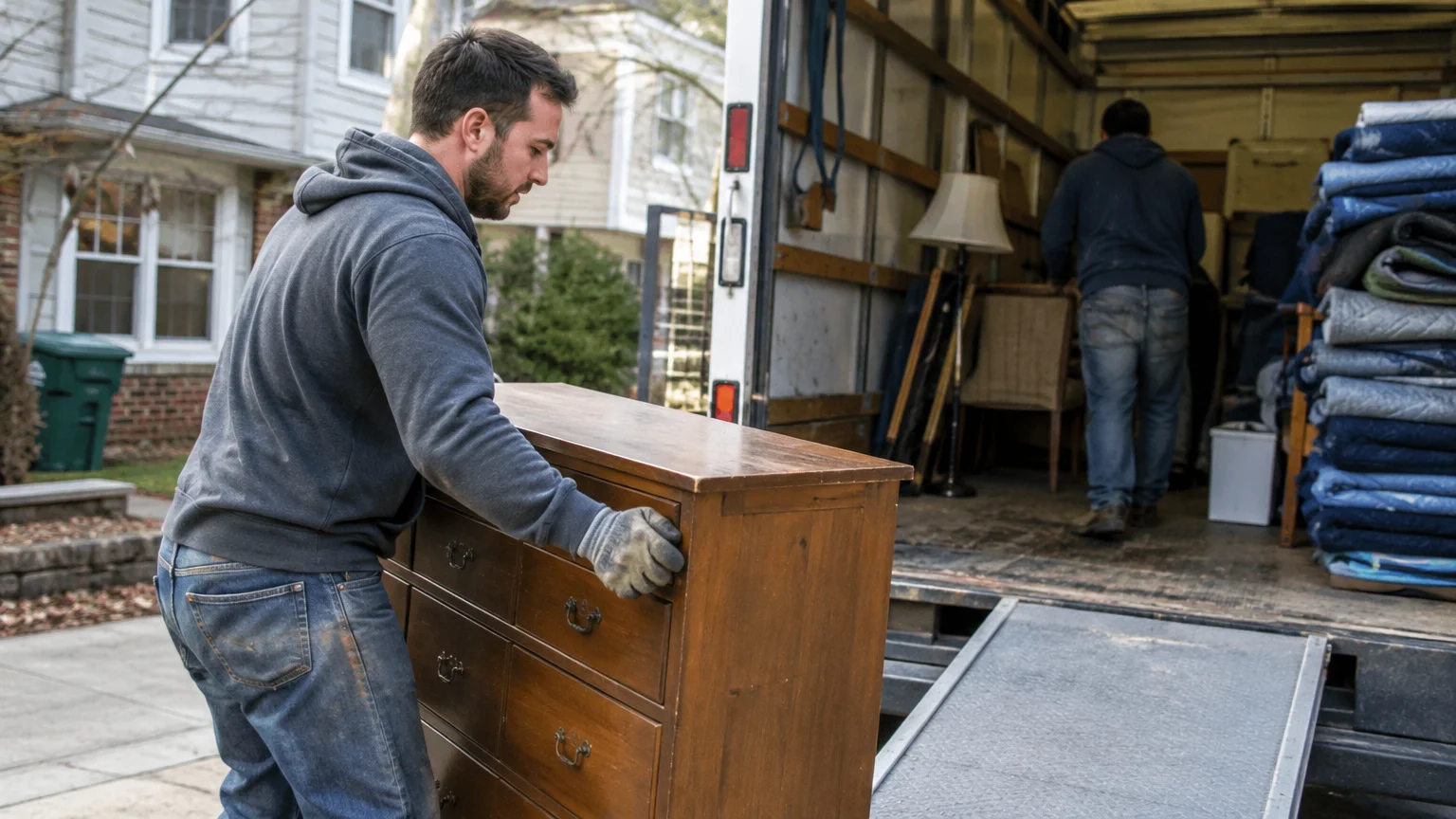
Large furniture is often cleared by removing doors, shelves, or other loose parts first. Crews may use moving blankets, straps, dollies, and team lifting. Homeowners should not help lift heavy items unless the crew asks and the task is clearly safe.
Appliances can be hard to move because they are heavy and may connect to power, water, gas, or a drain. Arrange disconnection with a qualified person when needed. Crews should not disconnect unsafe lines or handle unknown substances.
Bellingham WA Junk Removal can explain which items fit the planned removal and which may need another provider. This is useful during large residential junk removal projects with mixed materials.
How much does a home cleanout cost?
The final cost of a home cleanout depends on the amount and type of material, the labor needed, access, and disposal needs. A small room with easy access is usually simpler than a full property with heavy furniture, stairs, tight halls, or special items. The final cost should be confirmed on a quote before work begins.
Describe the project as clearly as possible. Photos, room counts, item types, stairs, elevators, long carrying paths, and parking limits can help a company understand the work. A quote may need to change if the actual load differs from the details provided.
What factors affect the overall cost
Several practical details can affect the overall cost of a cleanout. More material usually means more loading and disposal work. Heavy items may need more workers or tools. Difficult access can also add time and care.
Other factors include item types, local disposal rules, and whether some materials need separate handling. Refrigerators, air conditioners, televisions, chemicals, tires, and construction debris may follow different disposal paths. The company should explain limits before scheduling.
Urgent deadlines can also affect the service plan. Compare the full scope of work instead of judging a company by one short answer. The final quote should match the agreed rooms, items, labor, and disposal needs.
How home cleanouts compare with smaller junk removal jobs
A smaller junk removal job may involve one sofa, a few boxes, or one appliance. A whole-home cleanout can involve many rooms, several item types, and more planning. It may also require sorting and careful movement through the property.
That difference means you should give complete details when asking for service. A company that understands the full project can bring the right crew and tools. It can also explain whether donations, recycling, household disposal, or another specialist is needed.
How should you handle special household items?
Special household items need more planning than ordinary boxes and furniture. Ask how each item will be handled before the collection date. Local rules can vary, so the best disposal method depends on the item and service area.
Never place chemicals, fuel, ammunition, medical waste, or unknown containers in a regular junk pile. These materials may harm workers, vehicles, and disposal sites. A local hazardous waste program or qualified specialist may be the right choice.
Furniture, appliances, electronics, and mattresses
Furniture can often be removed during a home cleanout. Crews may handle sofas, tables, cabinets, bed frames, desks, and shelves. Clean and usable items may be accepted by a donation group, but acceptance is not automatic.
For refrigerators and other appliances, ask the retailer, maker, utility provider, or local waste program about options. Appliance removal may depend on the appliance type, access, disconnection needs, and local rules. A junk removal company may also handle appliance removal, but confirm the details before scheduling.
Electronics may include televisions, computers, printers, monitors, and small devices. Some contain materials that should not go into regular trash. Mattresses may also have separate disposal rules or recycling options. Tell the crew about these items ahead of time.
Items that may require separate disposal or specialized services
Some materials are outside the normal scope of household junk removal. These may include asbestos, chemicals, paint, fuel, propane cylinders, medical waste, weapons, explosives, large amounts of construction debris, and materials affected by mold or pests.
Do not assume a cleanout crew can remove every item in a house. Ask for a clear list of accepted and restricted materials. When another provider is needed, the cleanout company may explain what kind of specialist to contact.
Good planning protects the property and workers. It also helps prevent delays on collection day. When unsure, keep the item separate and ask before placing it with the household load.
How can you choose the right home cleanout service?
The right home cleanout service should explain its process, accepted items, service area, and quote terms clearly. Look for a local company with clear communication and respectful work practices. Reviews can help, but the company’s answers to your questions matter too.
A local provider serving the Bellingham area may understand common access issues and disposal options. Bellingham WA Junk Removal gives Bellingham property owners a place to start when they need furniture pickup, attic clearing, garage decluttering, or a larger house cleanout.
Questions to ask before hiring a local junk removal company
Before choosing a company, ask these questions:
- Which rooms, item types, and materials are included in the planned service?
- Are appliances, mattresses, electronics, furniture, and yard items accepted?
- Are restricted or hazardous materials excluded from the work?
- How does the crew protect floors, walls, stairs, and door frames?
- Will the final quote be confirmed before removal begins?
- What should the homeowner prepare before the crew arrives?
The company should answer in plain language. Avoid providers that pressure you, give unclear terms, or will not explain what happens to removed items. Also confirm who can approve removal when a property has several owners or family members.
Key takeaways for planning a smoother cleanout
- Separate items to keep, donate, recycle, review, and remove.
- Protect documents, medicine, keys, money, photos, and keepsakes.
- Share details about stairs, elevators, parking, appliances, and special materials.
- Ask about restricted items before placing them in the removal area.
- Confirm the full scope and final quote before work begins.
A cleanout is easier when choices are made before the crew arrives. Keep one clear list and mark every room. This reduces delays and helps the team focus on safe removal.
Frequently Asked Questions
How do you get rid of a fridge?
A refrigerator may be donated, recycled, returned through a retailer program, or removed by a junk removal company. It must be emptied and disconnected safely first. Some programs have rules for refrigerants and other parts. Confirm the accepted method before moving the appliance.
What is a cleanout service?
A cleanout service removes unwanted items from a room, property, or full home. It may include furniture, boxes, appliances, electronics, and household clutter. The service usually covers labor and hauling, but deep cleaning, repairs, hazardous materials, and specialty work may need separate providers.
Can a junk removal company remove appliances?
Many junk removal companies remove common household appliances, but accepted items vary. Refrigerators, air conditioners, washers, dryers, and water heaters may need special handling. List each appliance before scheduling and ask whether another professional must disconnect it.
What happens to old appliances?
Old appliances may be reused, donated, recycled, or sent through an approved disposal program. The result depends on the appliance’s condition, local rules, and the company’s partners. Ask where restricted parts go, and do not leave an appliance beside the road without checking local rules.
Can homeowners remove junk themselves?
Yes, homeowners can often handle small loads, light boxes, basic sorting, and donation trips themselves. Avoid lifting heavy furniture, moving unsafe appliances, or handling chemicals without proper training. Professional help is useful when the project is large, urgent, hard to access, or unsafe.
Conclusion
Home cleanouts can make a property safer, easier to use, and ready for its next purpose. The best results come from sorting early, protecting important belongings, and explaining the full project before removal begins. A clear plan also helps homeowners handle furniture, appliances, electronics, mattresses, and restricted items correctly.
For homeowners Bellingham WA Junk Removal can help organize the next step for a residential cleanout. Contact us to discuss the rooms, items, access needs, and removal plan.