To prepare for drywall removal, clear the work area, shut off nearby utilities, protect floors and vents, and check for hidden hazards. Work in small sections with proper safety gear. Keep debris contained as it falls. A planned tear-out helps Bellingham homeowners and contractors limit dust, damage, and cleanup work.
Table of Contents
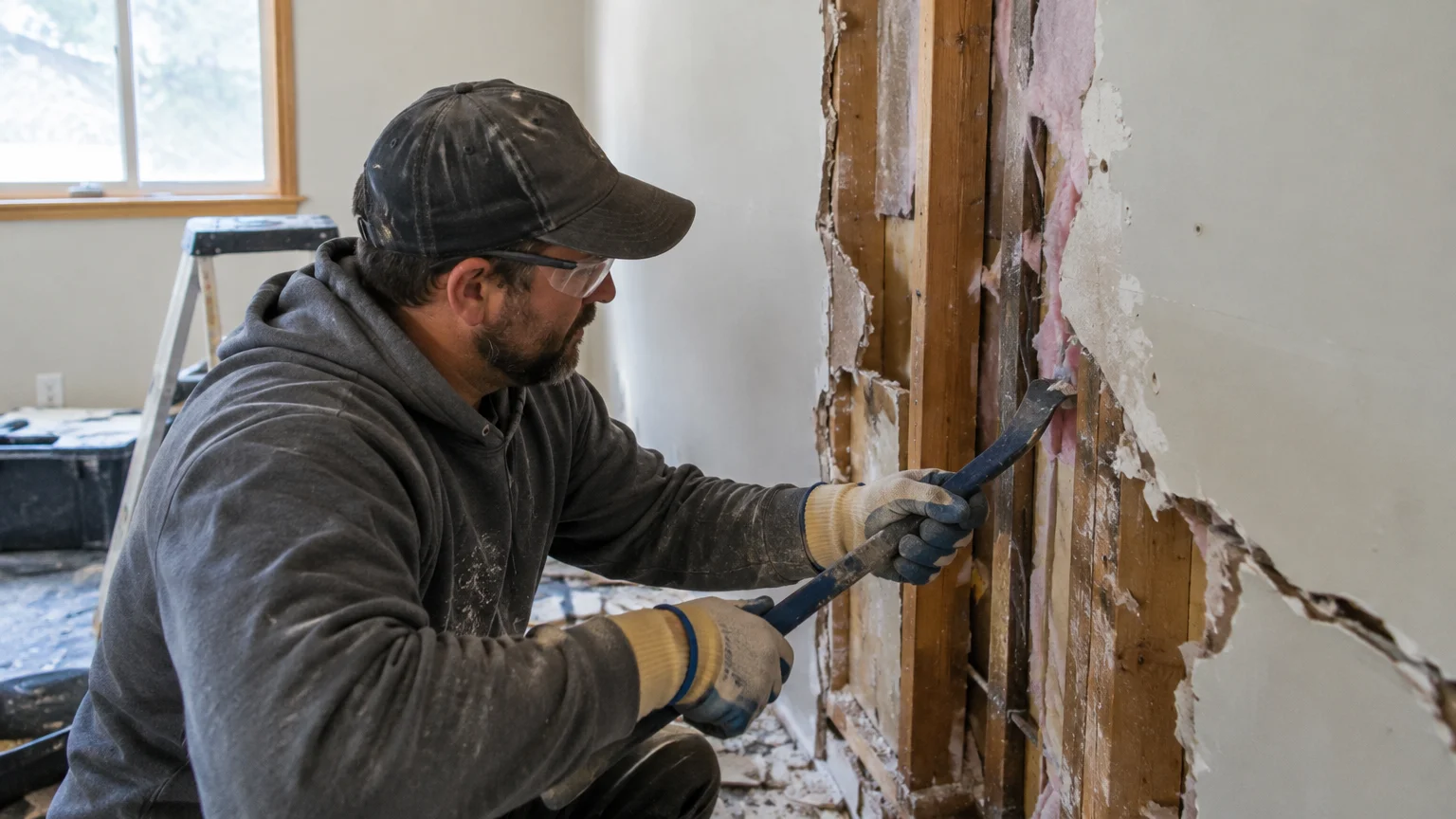
- What should you do before preparing for drywall removal?
- How do you protect the rest of the property from drywall dust?
- What should you check for behind drywall before tearing it out?
- What tools and safety equipment do you need for drywall removal?
- How should you remove drywall without creating a bigger mess?
- How do you handle drywall debris after the removal is complete?
- When should you hire a professional drywall removal service?
- Frequently Asked Questions
What should you do before preparing for drywall removal?
Before the tear-out begins, mark the exact walls, ceilings, and materials to remove. Move furniture and loose items away from the work zone. A clear plan helps protect items that will remain in place.
Confirm the project scope and removal area
Mark every surface that needs removal. Note if the project includes drywall, plaster, insulation, trim, cabinets, or flooring. These materials may need different tools and disposal methods.
Take photos before work starts. Photos can show where outlets, switches, pipes, and vents are located. They also help track the work area when several rooms are involved.
Remove wall decorations, curtains, shelves, and fragile items. Disconnect electronics from nearby outlets. Keep children, pets, customers, and other workers away from the tear-out zone.
Check for permits, utilities, and building requirements
Local rules may apply to remodeling, structural changes, electrical work, or plumbing changes. The owner or contractor should check with the local building department before removal begins.
Turn off power to the work area at the correct breaker. Shut off water when plumbing may be nearby. A qualified worker should handle utility changes when the work goes beyond simple shutoff steps.
In Bellingham, project needs can change by property type and job size. Bellingham WA Junk Removal can help Bellingham property owners plan the debris side of a renovation after the removal plan is clear.
How do you protect the rest of the property from drywall dust?
The best way to control drywall dust is to isolate the work area before breaking the first panel. Seal openings, cover nearby surfaces, and keep air from carrying dust into clean rooms.
Seal doorways, vents, and nearby rooms
Close doors between the work area and the rest of the property. Hang thick plastic sheeting over door openings and seal the edges with painter's tape. A zipper opening can make it easier to enter without leaving a wide gap.
Cover supply and return vents near the work zone. Dust can travel through heating and cooling systems. Keep the system off during dusty work unless a qualified worker confirms a safe setup.
Use one path for workers and debris. Protect that path with floor covering and remove waste often. This keeps dust from spreading through halls, entrances, and finished rooms.
Protect floors, fixtures, and finished surfaces
Cover floors with heavy drop cloths or protective board. Tape the seams so small pieces cannot slip below the covering. Add protection around door frames, counters, tubs, cabinets, and appliances.
Remove light fixtures and wall plates only when a qualified person can do so safely. Otherwise, cover them without putting pressure on wires or switches. Keep plastic away from hot lights and other heat sources.
Use a vacuum made for fine dust when possible. A standard household vacuum may send very fine drywall dust back into the air. Clean in stages instead of waiting until the whole project ends.
What should you check for behind drywall before tearing it out?
Drywall can hide wires, pipes, insulation, pests, water damage, and unsafe materials. A small inspection hole or a careful look near an existing opening may show what sits behind the panel.
Identify electrical wiring, plumbing, and other utilities
Look for outlets, switches, vents, sinks, toilets, radiators, and wall-mounted equipment. These features can show where wires and pipes may run. Never pull drywall blindly around these areas.
Use a stud finder with wire detection when suitable. Treat its reading as a clue, not proof that the wall is safe. Stop when the material resists removal or when a utility becomes visible.
Do not cut into a wall that may contain live wires or active plumbing. A licensed electrician or plumber should inspect uncertain areas. This matters even more in older buildings and commercial properties.
Watch for mold, asbestos, lead paint, and water damage
Mold is unwanted growth caused by moisture. Dark stains, soft drywall, musty smells, and peeling surfaces can point to a water problem. Fix the moisture source before rebuilding the wall.
Asbestos and lead may be present in older buildings. You cannot confirm them by sight alone. If older wall systems, joint compound, coatings, or textured materials are involved, stop work and ask a qualified inspector about testing.
Do not sweep or break apart suspicious material. Keep the area closed and follow local rules for testing and removal. Professional handling may be needed when contamination, pests, sewage, or major water damage is present.
What tools and safety equipment do you need for drywall removal?
A controlled tear-out needs basic hand tools, containers, and protective gear. The right setup helps workers remove panels with less force and keeps sharp pieces away from people.
Gather tools for controlled tear-out
Useful tools may include a utility knife, pry bar, drywall saw, hammer, screw gun, pliers, and a stud finder. A shop vacuum rated for fine dust can help with cleanup. Inspect tools before use.
Cut the paper face before snapping a panel. Remove screws where possible instead of pulling large sections down at once. Keep a strong container nearby for screws, nails, and sharp scraps.
Do not use power tools near hidden wires or pipes unless the area has been checked. Avoid cutting through studs, blocking, or structural parts. Ask a qualified contractor when the wall may support a load.
Choose protective equipment for dust and sharp debris
Wear safety glasses, work gloves, long sleeves, sturdy shoes, and hearing protection when needed. A properly fitted respirator may help with dust, but it does not make hazardous material safe to disturb.
Use a mask approved for the known hazard only after the hazard is identified. Keep protective gear clean and replace damaged items. Wash hands before eating, drinking, or touching your face.
Good airflow must not send dust into occupied areas. Workers should take breaks in a clean space and leave dusty clothing outside living areas when possible. These habits help limit the spread of fine particles.
How should you remove drywall without creating a bigger mess?
The cleanest method is to remove drywall in small, controlled sections. Start at an exposed edge, work from top to bottom, and place each piece into a lined container as soon as it comes down.
Work in manageable sections from top to bottom
Score the paper along seams and corners. Remove fasteners before pulling panels when practical. Smaller pieces are easier to carry and less likely to hit floors, fixtures, or nearby workers.
Keep one person focused on removal and another on carrying debris when the job allows. Never stand below a ceiling panel that may fall. Use proper access equipment instead of unstable chairs or makeshift platforms.
Stop when the wall behaves in an unexpected way. Hidden fasteners, heavy plaster, damaged framing, or movement above the work area may signal a larger issue. A contractor should review structural concerns before work continues.
Separate damaged materials and keep debris contained
Place drywall pieces directly into strong bags, bins, or a designated pile on protective covering. Do not overload bags until they are hard to lift. Heavy pieces can split bags and injure workers.
Keep clean drywall separate from wood, metal, cardboard, insulation, and general trash when local disposal rules or a hauler require separation. Wet or moldy materials should stay apart from clean debris.
Clean as the work moves forward. Pick up screws and sharp fragments before they spread. A tidy work zone makes final construction debris removal much easier.
How do you handle drywall debris after the removal is complete?
After removal, review the debris before choosing a disposal plan. The amount, weight, material mix, access, and local rules all affect the best way to move it from the property.
Estimate the debris volume and choose a disposal method
Measure the number of bags, piles, or wall sections. Include ceiling material, plaster, insulation, wood, fasteners, and other tear-out waste. Debris may take more space than expected when broken into uneven pieces.
A property owner may use an approved disposal site, a construction waste container, or a professional hauling service. The right option depends on the project size and materials involved. Some sites have rules for drywall, plaster, paint, or mixed waste.
A cleanout service removes unwanted materials from a property and carries them away for proper handling. This can help after a remodel, rental turnover, office change, foreclosure cleanouts, or damaged-wall repair. The same planning can help with retail removal and other business work.
Prepare large, heavy, or mixed renovation waste for hauling
Keep debris away from gates, narrow paths, and parked vehicles. Leave a clear route from the work area to the pickup point. Tell the hauler about stairs, long carries, tight access, or items that cannot be moved safely.
Separate bulky materials such as doors, cabinets, wood framing, appliances, and fixtures when possible. Old appliances may need special handling because they can contain refrigerants, oils, or electrical parts. A qualified disposal provider can explain the proper process.
The same planning helps with other renovation waste, such as a hot tub, concrete, or tree branches. Disposal rules can differ by material, so property owners should not assume everything belongs in one container. Professional furniture removal may also be needed when a room must be cleared before tear-out.
When should you hire a professional drywall removal service?
A professional drywall removal service is useful when the job is large, dusty, heavy, hard to access, or likely to involve hazards. Homeowners do not always need a professional for light preparation and simple cleanup, but unsafe materials and hidden utilities need trained help.
Recognize projects that require specialized handling
Consider professional help when the project includes suspected asbestos, lead, mold, sewage damage, major water damage, high ceilings, structural walls, or large commercial spaces. These conditions can create health, safety, or disposal concerns.
Professional help may also make sense when workers lack time, tools, safe lifting ability, or a way to move debris. Contractors often use junk removal companies to keep job sites clear while crews focus on the renovation.
A full service junk removal company may handle sorting, lifting, loading, and construction debris hauling. The property owner should explain the materials, access, and work status before scheduling service.
Prepare the site for an efficient construction debris collection
Finish active tear-out before collection when safe. Bag loose drywall, stack larger pieces neatly, and keep hazardous materials separate. Do not mix unknown materials with ordinary renovation waste.
Clear the route from the debris to the loading area. Protect surfaces that should not be damaged. Keep pets, children, customers, and unrelated workers away from the loading zone.
Bellingham WA Junk Removal serves property owners and contractors who need organized drywall and renovation debris removal in the main Bellingham area, from Fairhaven and Sunnyland to Ferndale, Lynden, Blaine, Everson, and nearby communities.
Frequently Asked Questions
Can a homeowner remove drywall without hiring a professional?
A homeowner may remove small areas of ordinary drywall when no hazards or hidden utilities are present. The work still requires dust control, protective gear, and careful debris handling. A professional should assess older materials, mold, structural walls, high ceilings, and areas near wiring or plumbing.
How can someone reduce dust during drywall removal?
The best steps are sealing doorways, covering vents, protecting floors, and removing small sections. Workers should keep the heating or cooling system off when appropriate. Cleaning as work continues also helps. A fine-dust vacuum can collect particles that sweeping would spread.
What happens to old drywall after removal?
Old drywall may go to an approved construction waste facility, a recycling program, or another permitted disposal site. Rules vary by location and material condition. Wet, moldy, painted, or mixed debris may need separate handling. A local hauler can explain the available options.
Can drywall be mixed with other remodeling debris?
Drywall can sometimes be hauled with other construction debris, but separation is often better. Wood, metal, cardboard, insulation, concrete, and household trash may follow different disposal rules. Keeping materials apart also helps the hauler sort the load and find unsafe items.
When should someone schedule debris hauling?
Hauling can be arranged after the work area is safe and loose debris is contained. Earlier pickup may help when debris blocks a walkway or creates a safety problem. The property owner should share the material type, approximate volume, access details, and suspected hazards.
Key Takeaways
- Plan the work area first and confirm which surfaces and materials will come out.
- Protect clean rooms by sealing doors, vents, floors, fixtures, and nearby finishes.
- Check for hazards such as wiring, plumbing, mold, asbestos, lead, and water damage.
- Remove drywall in small sections and contain debris as soon as it comes down.
- Use professional help for large, heavy, difficult, or hazardous tear-out projects.
Conclusion
Good preparation keeps drywall removal safer and easier to clean. A clear work zone, sealed openings, careful checks, and small tear-out sections can prevent many common problems. Proper sorting also helps construction debris hauling go more smoothly.
For projects, Bellingham WA Junk Removal can help plan the next step after drywall, plaster, and renovation materials are ready for removal. Bellingham is home to many older and newer properties, so checking the wall materials before work is important.
If you are unsure what you are dealing with, have someone review it before it becomes a larger job. Contact us today to arrange debris collection with Bellingham WA Junk Removal.